
The Evolution of Commercial Steel Companies
The commercial steel industry has undergone significant transformation over the last few decades, driven by advancements in technology, changing building practices, and evolving customer needs. At the forefront of this evolution are companies like Avangard Steel, which have refined their offerings to include a diverse range of services tailored for residential, commercial, and industrial projects. As we navigate through 2026, understanding how these commercial steel companies adapt to market changes and innovate in their processes will be crucial for stakeholders looking to leverage steel in construction.
When exploring options, commercial steel company services are a vital component in facilitating structural integrity and architectural innovation. Today’s competition requires not only the ability to fabricate traditional structures but also to embrace modern, agile methodologies that enhance sustainability and cost-effectiveness.
Understanding Commercial Steel in Today’s Market
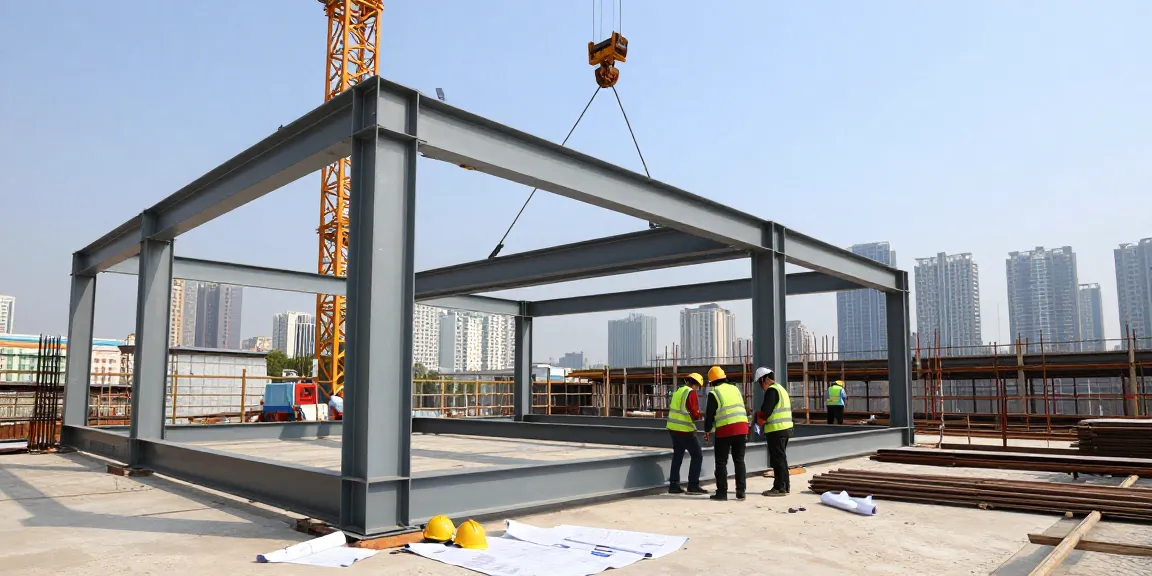
Commercial steel refers to a variety of steel products suitable for construction and manufacturing applications. These include structural steel beams, columns, and plates, essentially forming the backbone of high-performance buildings and infrastructures. The designation of “commercial steel” typically relates to the steel’s mechanical properties and its usability for bending and forming, often tailored to meet specific building codes and customer needs.
As regulations evolve and sustainability becomes a priority, commercial steel companies are incorporating eco-friendly practices into their manufacturing processes. This includes the use of recycled materials and energy-efficient technologies, which not only reduce the carbon footprint but also meet the increasing demand from consumers for sustainable options.
The Role of Innovation in Steel Fabrication
Innovation plays a central role in the evolution of commercial steel companies. Advanced technologies such as computer-aided design (CAD), 3D modeling, and automation in manufacturing processes have revolutionized how steel is fabricated. These technologies enable precise measurements and cuts, ensuring higher quality and faster project turnaround times. Furthermore, innovations in welding techniques and coatings have improved the durability and aesthetic appeal of steel structures.
In addition to technological advancements, there is a growing trend towards modular and prefabricated steel structures, which allow for rapid assembly and reduced onsite labor costs. This shift not only enhances efficiency but also contributes to quicker project completion times, making commercial steel an attractive choice for developers and contractors alike.
Case Studies: Successful Project Transformations
Real-world applications showcase how commercial steel companies like Avangard Steel have successfully transformed projects across various sectors. For instance, consider a recent project that involved fabricating a custom steel stair system for a high-end residential property in Vancouver. The project required not only the structural integrity of the stairs but also seamless integration with the overall architectural design, showcasing the importance of bespoke solutions in meeting specific client needs.
Another example comes from the commercial sector, where a custom canopy and trellis installation greatly enhanced the outdoor aesthetics of a local café while providing necessary shade. These transformations highlight the versatility of steel as a material and the critical role that dedicated commercial steel companies play in the construction landscape.
Services Offered by Leading Commercial Steel Companies
Comprehensive Steel Structure Fabrication Processes
Leading commercial steel companies offer comprehensive fabrication services that cover a wide range of needs—from initial design consultation to final installation. Steel structure fabrication typically involves several key steps, including:
- Design and Engineering: Collaborating with architects to create precise designs that meet both aesthetic and functional requirements.
- Material Selection: Choosing the right type of steel and finishes that comply with industry standards and project specifications.
- Manufacturing: Utilizing modern fabrication methods to cut, weld, and shape steel components accurately.
- Quality Control: Conducting rigorous inspections to ensure all fabricated pieces meet the required standards before installation.
- Installation: Efficiently assembling the fabricated parts onsite, ensuring alignment with the project’s timeline and requirements.
Custom Metalwork Solutions for Diverse Industries
In addition to standard fabrication services, many leading commercial steel companies specialize in custom metalwork solutions tailored to various industries. This includes:
- Architectural Features: Custom railings, gates, and fences that enhance the visual appeal of buildings while providing safety and functionality.
- Industrial Applications: Steel platforms, walkways, and supports designed to withstand harsh operational environments.
- Residential Installations: Tailored solutions such as bespoke staircases and artistic metal features that elevate home design.
Innovative Applications: Custom Glass Doors and Railings
Modern steel companies have embraced innovative applications such as custom glass doors and railings that blend elegance with strength. These features create a seamless transition between indoor and outdoor spaces while maintaining structural integrity. The use of glass in conjunction with steel offers an aesthetically pleasing solution that does not compromise on safety or durability, making it increasingly popular in both residential and commercial designs.
Best Practices for Selecting a Commercial Steel Company
Key Factors to Consider: Quality, Reputation, and Expertise
When selecting a commercial steel company, it is essential to consider several critical factors:
- Quality of Work: Review past projects to assess craftsmanship and adherence to design specifications.
- Reputation: Look for reviews and testimonials from previous clients to gauge reliability and professionalism.
- Expertise: Ensure the company has experience with projects similar to yours, particularly regarding material and design complexities.
Evaluating Past Projects and Client Testimonials
Taking the time to evaluate a company’s past work and client testimonials can provide invaluable insights into their capability and reliability. Look for case studies or a portfolio that showcases completed projects, and don’t hesitate to ask for references from previous clients. A well-regarded company will typically be more than willing to share this information and demonstrate their proven track record.
Understanding Cost Structures and Budgeting
Budget considerations are crucial in any construction project. When evaluating commercial steel companies, seek transparency in cost structures, including fabrication, installation, and potential additional fees for custom work. Ensure that the proposals you receive are detailed, allowing for clear comparisons between providers. A reputable company will provide a comprehensive estimate that outlines all aspects of the project.
Future Trends in the Commercial Steel Industry
Sustainability Practices in Steel Manufacturing
The future of the commercial steel industry must necessarily align with global sustainability efforts. Companies are increasingly adopting practices that reduce waste, lower energy consumption, and promote the use of recycled materials. Innovations in green steel production are emerging, focusing on electric arc furnace technologies which significantly decrease carbon emissions in the steel-making process.
Moreover, as governments worldwide implement stricter regulations regarding building materials and environmental impact, commercial steel companies must adapt quickly to stay competitive and compliant. This eco-focused approach not only meets legislative requirements but also appeals to environmentally conscious customers.
Emerging Technologies: Automation and AI Integration
As technology continues to improve, automation and artificial intelligence (AI) are set to transform operations within commercial steel companies. From automated fabrication processes that enhance accuracy to AI-driven project management tools that optimize scheduling and resource allocation, these technologies promise to enhance efficiency and reduce costs.
Investing in these advanced technologies will not only streamline operations but also improve safety standards by minimizing human error during fabrication and installation.
Predictions for Market Growth and Client Demands by 2026
Market analysts predict robust growth for the commercial steel industry through to 2026, spurred by increasing demand in sectors such as construction, energy, and transportation. As urbanization continues to rise globally, the need for durable, cost-effective materials for infrastructure development will increase. Furthermore, client demands are shifting toward customized and sustainable solutions, prompting commercial steel companies to innovate continually.
Frequently Asked Questions
What defines a commercial steel company?
A commercial steel company specializes in the production of steel products for construction and manufacturing. These companies typically provide services that include designing, fabricating, and installing structural steel components used in various building applications.
What are the advantages of using steel structures in construction?
Steel structures offer numerous advantages, including high strength-to-weight ratios, durability, adaptability to design changes, and a shorter construction timeline. Additionally, steel can be recycled, making it an eco-friendly construction choice.
How can I get a quote from a commercial steel company?
To receive a quote, most companies will provide an online form or direct contact methods such as phone or email. It’s important to share detailed project specifications to ensure accurate estimates.
What safety standards should be followed on construction sites?
Construction sites must adhere to strict safety standards, which commonly include guidelines from organizations such as OSHA (Occupational Safety and Health Administration). These standards cover aspects such as personal protective equipment, hazard communication, fall protection, and equipment safety protocols.
How does custom metalwork enhance architectural designs?
Custom metalwork can enhance architectural designs by adding unique aesthetic elements, improving functionality, and offering bespoke solutions that meet specific client needs. It allows for creativity and personalization, making structures stand out in their environment.
