
Understanding Raccoon Behavior and Risks
Raccoons are a common sight in urban environments, particularly in cities like Toronto. Their adaptability allows them to thrive in both rural and urban settings, often leading them to seek shelter in residential areas. As nocturnal creatures, their behavior can pose a variety of risks to homeowners. Understanding raccoon behavior, the risks associated with infestations, and how to manage them is crucial for maintaining a safe living environment. When exploring options for assistance, Raccoon Removal Toronto provides comprehensive insights into effective management strategies.
What Attracts Raccoons to Your Home?
Raccoons are drawn to homes for several reasons, primarily in search of food, water, and shelter. Some of the most common attractants include:
- Accessible Garbage: Open garbage bins or improperly stored food waste are prime targets for raccoons.
- Pet Food: Leaving pet food outside overnight can lure raccoons into your backyard.
- Bird Feeders: Spilled seeds and fallen fruits can entice raccoons, providing them with an easy meal option.
- Garden Vegetables: Ripe fruits and vegetables left unattended in gardens attract raccoons looking for a snack.
- Hiding Spots: Cluttered backyards, sheds, and attics can provide excellent nesting sites for raccoons.
Risk Factors Associated with Raccoon Infestations
While raccoons are generally not aggressive, their presence can lead to several risks for homeowners:
- Property Damage: Raccoons can cause significant damage by ripping apart insulation, chewing through wires, and creating entry points in roofs and walls.
- Health Hazards: Raccoons are known carriers of rabies, raccoon roundworm, and other zoonotic diseases that can pose threats to both humans and pets.
- Increased Pest Presence: Raccoons attract other pests such as rats and mice, creating further infestations.
Common Misconceptions About Raccoons
Many people hold misconceptions about raccoons and their behaviors, which can lead to ineffective control methods. Here are a few common myths:
- Raccoons are always aggressive: While they can be protective of their young, raccoons typically avoid confrontations with humans.
- They are harmless pets: Wild raccoons are not domesticated animals and can pose serious risks to health and property.
- They can only be removed in spring: Raccoons can be present year-round and require immediate action when detected.
Effective Strategies for Raccoon Removal
Successfully managing raccoon populations in urban areas like Toronto involves a blend of prevention, removal, and exclusion strategies. This section explores effective methods to remove raccoons safely.
DIY Tips for Safe Raccoon Trapping
If you find yourself facing a raccoon infestation, there are some do-it-yourself approaches you might consider. Here are a few tips:
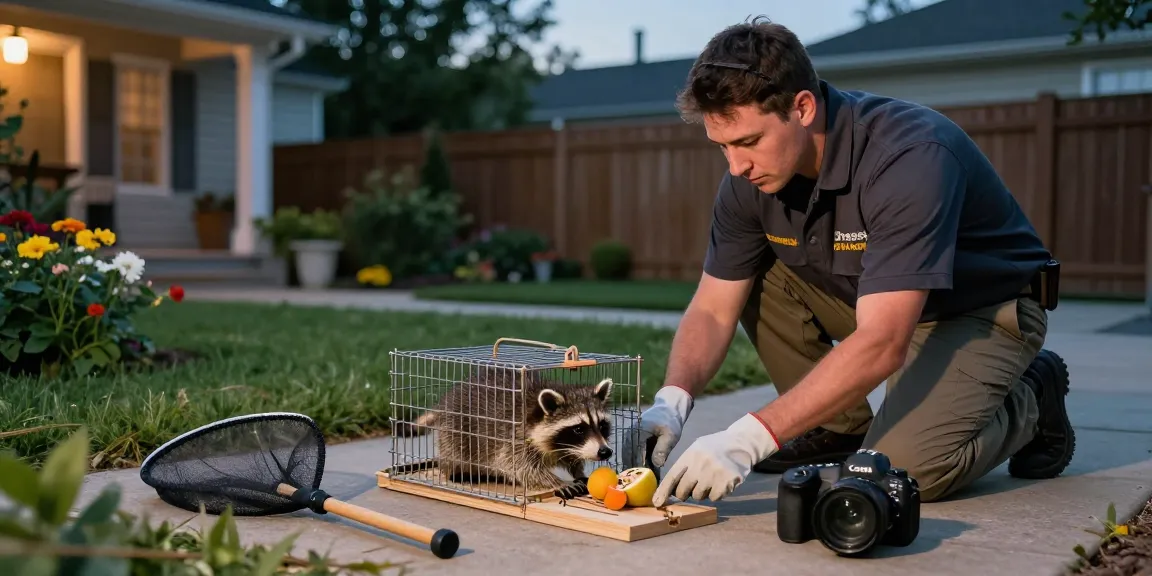
- Humane Traps: Use live traps to safely capture raccoons. Ensure that you follow local wildlife laws regarding trapping.
- Baiting: Use sweet fruits or canned food as bait to attract raccoons into the traps.
- Monitoring: Keep a close eye on the traps and check them frequently to ensure captured animals do not suffer stress or harm.
When to Call a Professional for Raccoon Removal Toronto
While DIY methods can be effective, there are situations where calling a professional is essential:
- Persistent Infestation: If raccoons return frequently, a professional can identify and resolve the underlying issue.
- Health Risks: If you suspect diseases or see sick raccoons, a trained expert can handle the situation safely.
- Legal Requirements: Some areas have strict regulations regarding wildlife control that professionals are familiar with.
Legal Considerations in Wildlife Control
In Ontario, it is illegal to harm or kill raccoons without a permit. Understanding local wildlife laws is crucial for proper management. Wildlife control companies must adhere to these regulations, ensuring humane practices are followed.
Preventing Future Raccoon Invasions
After you’ve addressed the current infestation, it’s vital to take steps to prevent future occurrences. Effective prevention strategies can significantly reduce the chances of raccoons returning to your home.
Best Practices for Securing Your Home and Garden
Implementing physical barriers and management strategies can deter raccoons from entering your property:
- Secure Trash: Use raccoon-proof trash cans or store waste inside until collection day.
- Fencing: Install fencing at least 3 feet tall with an additional foot buried underground to prevent burrowing.
- Remove Attractants: Clean up any fallen fruit or pet food and secure compost bins.
How to Evaluate and Seal Entry Points
Regular inspections of your home can help identify potential entry points for raccoons:
- Check Roofs and Vents: Look for damaged shingles or loose vents that raccoons could exploit.
- Seal Cracks and Holes: Use strong materials like metal mesh or caulk to seal openings larger than a quarter.
- Inspect Attics and Basements: Regular checks can help you catch any signs of nesting before a full infestation occurs.
Utilizing Technology for Raccoon Deterrence
Recent advancements in technology offer innovative solutions for raccoon deterrence:
- Motion-Activated Lights: These can frighten raccoons away when they invade your property at night.
- Audio Deterrents: Devices that emit sounds uncomfortable for raccoons can also be effective.
- Smart Cameras: Monitoring your property with cameras can help you understand when raccoons are active and prevent problems.
Humane Practices in Raccoon Control
As urban wildlife management evolves, there is an increasing emphasis on humane practices. Understanding the importance of humane wildlife control is vital for both the animals and the ecosystem.
The Importance of Humane Trapping Techniques
Humane traps are designed to contain raccoons without causing them harm. Properly managing trapped raccoons ensures their safety and compliance with local laws:
- Diligence: Check traps regularly to minimize stress for the animals.
- Professional Relocation: Once trapped, raccoons should be relocated in accordance with local wildlife regulations.
Post-Trapping Care and Relocation Guidelines
Understanding how to handle and relocate trapped raccoons is crucial:
- Proper Transport: Use sturdy containers to transport raccoons safely.
- Choosing Relocation Sites: Select areas far from urban settings that are suitable habitats for raccoons.
Community Resources for Wildlife Rehabilitation
Many communities offer resources for wildlife rehabilitation and education. Connecting with local wildlife organizations can provide valuable guidance and support for humane raccoon control.
Future Trends in Wildlife Control
As cities grow and wildlife continues to adapt, new strategies and technologies will emerge in wildlife control. Here are some potential trends to watch for:
Emerging Technologies in Raccoon Removal Toronto
Innovations in wildlife control technologies are on the rise. These advancements may include:
- Smart Traps: Technology that monitors raccoon activity and triggers alerts.
- AI Cameras: Capable of identifying raccoons and other wildlife, assisting in monitoring and control strategies.
Predictions for Raccoon Population Management in 2026
As the urban landscape evolves, so will the raccoon population dynamics. Experts predict:
- Increased Raccoon Presence: Urban development will likely push raccoons into new areas.
- Community Involvement: More neighborhoods may engage in cooperative efforts for raccoon management.
How Climate Change Affects Raccoon Behavior
Climate change is impacting wildlife in numerous ways, including raccoons:
- Behavioral Changes: Shifts in food availability and foraging patterns may affect raccoon activity.
- Habitat Alterations: As natural habitats change, raccoons may seek new areas to inhabit, potentially leading to more urban encounters.
Frequently Asked Questions
What are the signs of a raccoon infestation?
Common signs of a raccoon infestation include noises in the attic, unusual tracks around your property, and damaged garbage or garden areas. Look for droppings and raccoon tracks, which are typically larger than those of common domestic animals.
How can I humanely remove raccoons from my property?
To humanely remove raccoons, use live traps and ensure you follow local wildlife regulations for trapping and relocation. It’s advisable to consult professional wildlife control services for proper handling.
What should I do if I encounter a raccoon during the day?
If you see a raccoon active during the day, it may be a sign of illness. Keep your distance and do not approach the animal. Contact local wildlife authorities for guidance on what actions to take.
Are raccoons dangerous to my pets?
Raccoons can pose a danger to pets, especially if they feel threatened. Encounters can lead to defensive behaviors, so it’s best to keep pets secure and monitor their outdoor activities.
What regulations exist around raccoon removal in Toronto?
In Toronto, wildlife control regulations are governed by provincial laws. It is illegal to kill raccoons without a permit, and humane practices must be followed during removal and relocation efforts.
