
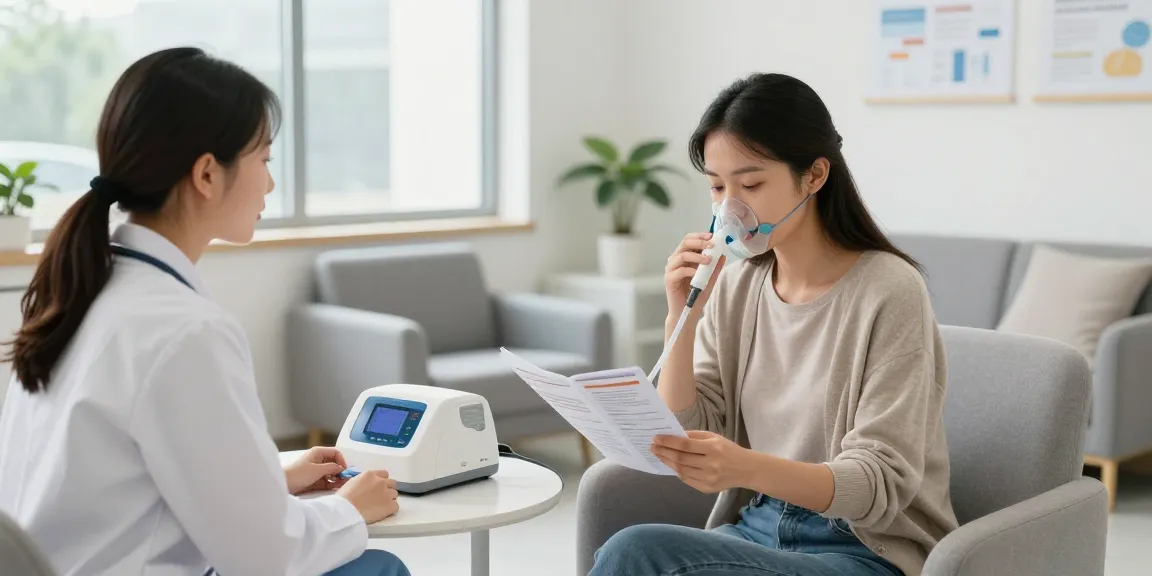
Understanding the Role of a CPAP Provider
Continuous Positive Airway Pressure (CPAP) therapy has emerged as a cornerstone in the management of obstructive sleep apnea (OSA). However, its effectiveness significantly depends on the quality of care provided by a cpap provider. Selecting the right provider can greatly influence treatment adherence, patient comfort, and overall health outcomes, making it essential for patients and caregivers to understand what to look for in these crucial healthcare partners.
What is a CPAP Provider?
A CPAP provider is a healthcare professional or organization that specializes in diagnosing and managing sleep-related breathing disorders, primarily OSA. These providers offer not just the devices needed for therapy, but also the support necessary to help patients successfully integrate CPAP into their daily lives. They perform initial evaluations, fit patients with CPAP equipment, and provide ongoing monitoring and adjustments to therapy as needed.
Key Services Offered by CPAP Providers
- Comprehensive Sleep Assessments: Providers perform thorough assessments to diagnose sleep apnea and determine appropriate treatment plans.
- Equipment Supply: They supply CPAP machines, masks, and accessories tailored to individual patient needs.
- Ongoing Support and Education: CPAP providers offer guidance on proper usage, maintenance, and troubleshooting of equipment.
- Follow-up Care: Regular follow-ups to adjust settings and ensure optimal therapy adherence.
The Importance of Choosing Certified CPAP Providers
Choosing a certified CPAP provider is essential for ensuring high-quality care. Certification indicates that the provider has met specific standards and has the requisite knowledge in sleep medicine. Certified providers are more likely to stay up-to-date with the latest advancements in technology and treatment protocols, which can lead to better patient outcomes.
Common Challenges with CPAP Use
Identifying Issues with CPAP Comfort
Many patients report discomfort or dissatisfaction with their CPAP therapy. Common complaints include nasal congestion, mask leaks, and pressure sores. Identifying these issues early and addressing them with your provider can significantly improve compliance and comfort during sleep.
Misconceptions about CPAP Therapy
There are numerous misconceptions surrounding CPAP therapy. Some believe that it is only necessary to use the device when symptoms are severe, while others may think that CPAP therapy is a one-size-fits-all solution. Educating patients about the importance of consistent use and personalized treatment plans can help dispel these myths.
Overcoming Resistance to CPAP Usage
Resistance to CPAP therapy often stems from discomfort, lack of understanding of the therapy’s importance, or anxiety about reliance on a machine. It is vital for providers to address these concerns head-on, offering solutions and support to make the transition smoother for patients.
Best Practices for Selecting a CPAP Provider
Critical Questions to Ask Before Committing
When selecting a CPAP provider, it is essential to ask pertinent questions, such as:
- What types of equipment do you offer, and how do you determine the best fit for patients?
- What kind of follow-up support can I expect?
- Are you certified by any recognized professional organization?
Evaluating Provider Credentials and Experience
Researching a provider’s credentials and experience can provide insight into their level of expertise. Look for providers with certifications from organizations such as the American Academy of Sleep Medicine (AASM) or the Board of Registered Polysomnographic Technologists (BRPT).
Reading Reviews and Testimonials from Other Patients
Patient reviews can provide valuable information about the experiences and satisfaction levels of past clients. Reading testimonials can give insight into the provider’s customer service, equipment quality, and overall effectiveness.
Case Studies: Successful CPAP Provider Interactions
Real-Life Patient Experiences with CPAP Providers
Case studies highlight the importance of tailored care in CPAP therapy. For instance, one patient struggled initially, but after working closely with a provider, they found a mask that fit comfortably, leading to better sleep quality and adherence to therapy.
Impact of Quality Support on Patient Outcomes
Quality support from CPAP providers can significantly enhance patient outcomes. Providers who offer comprehensive education about the therapy and regular follow-ups typically see higher satisfaction and success rates among their patients.
Learning from Patient Feedback and Adjusting Care
Providers who actively seek and respond to patient feedback can adjust their services to better meet patient needs, thereby enhancing overall satisfaction and long-term adherence to CPAP therapy.
Looking Ahead: The Future of CPAP Therapy
Emerging Technologies in CPAP Treatment
Technological advancements are shaping the future of CPAP therapy. Innovations such as integrated humidifiers, quieter machines, and advanced data tracking will likely improve user experience and adherence in the years to come.
Predicted Trends for CPAP Providers in 2026
By 2026, CPAP providers are expected to incorporate more personalized treatment options and integrate artificial intelligence to enhance therapy management. This trend could lead to more tailored experiences for patients and improved health outcomes.
Integrating Telehealth into CPAP Services
The integration of telehealth into CPAP services will likely become increasingly common, allowing providers to conduct virtual consultations, monitor patients remotely, and offer immediate support without requiring in-person visits.
What should I look for in a CPAP provider?
Look for qualifications, experience, and a commitment to patient education. A good provider should be able to answer all your questions and provide personalized care plans.
How can I improve my comfort with CPAP usage?
Improving comfort often involves adjustments to the mask fit, using humidifiers, and maintaining open communication with your CPAP provider to address any issues promptly.
What are the signs of a good CPAP provider?
A good CPAP provider listens to patient concerns, offers a comprehensive range of equipment, provides education and support, and follows up regularly to ensure effective therapy.
Can I switch my CPAP provider later?
Yes, patients can switch providers if they feel their needs are not being met. It’s essential to find a provider that aligns with your expectations and treatment goals.
How often should I consult with my CPAP provider?
Regular consultations are recommended, especially after the initial setup. Many patients benefit from follow-ups every few months to ensure optimal care and adjustments as needed.
