Understanding Metal Roof Installation: Benefits and Options
Metal roof installation has become increasingly popular among homeowners looking for durability, aesthetics, and sustainability. As the industry evolves, understanding the benefits and options available can significantly impact your decision-making process. A metal roof not only enhances the curb appeal of your home but also offers exceptional longevity, energy efficiency, and reduced maintenance costs. When exploring options, metal roof installation provides comprehensive insights into the various materials and styles available. This article will delve into the advantages of metal roofing, the types of materials you can choose from, and essential tips for selecting the right option for your project.
What are the Advantages of Metal Roofing?
Metal roofing has garnered attention due to its array of benefits that cater to both aesthetic and functional needs. Here are some of the primary advantages:
- Durability: Metal roofs are known for their resilience and can last 40-70 years, depending on the material. They are resistant to extreme weather conditions, including heavy rain, wind, and snow.
- Energy Efficiency: Metal roofs reflect solar radiant heat, which can reduce cooling costs by 10-25%. Many modern metal roofing materials also come with energy-efficient coatings that enhance performance.
- Low Maintenance: Unlike traditional roofing materials, metal roofs require minimal maintenance. They do not warp, crack, or rot, and a simple inspection can ensure longevity.
- Fire Resistance: Metal roofs have a high resistance to fire, which can provide peace of mind for homeowners, especially in fire-prone areas.
- Eco-Friendly: Many metal roofs are made from recycled materials and are themselves recyclable at the end of their lifespan, making them a sustainable choice.
Types of Metal Roofs Available for Installation
When considering metal roof installation, it's essential to familiarize yourself with the different types available:
- Steel Roofing: Available in Galvalume and galvanized options, steel roofs are durable and economical but may require a protective coating to avoid rust.
- Aluminum Roofing: Lightweight and resistant to corrosion, aluminum is a fantastic choice for coastal regions. It's also energy-efficient and can be painted in various colors.
- Copper Roofing: Renowned for its beauty and longevity, copper roofs develop a distinctive patina over time. Although more expensive, they are known for their unique aesthetic appeal and durability.
- Zinc Roofing: Zinc is another durable option that offers a long lifespan and excellent weather resistance. Like copper, it develops a protective patina that adds character.
Choosing the Right Material for Your Project
Selecting the right material for your metal roof installation is crucial to ensuring it meets your needs and preferences. Factors to consider include:
- Climate: Your local climate will significantly influence your choice. For extreme weather, durable metals like steel or aluminum are preferable.
- Budget: Understanding your budget will help narrow down your options. While aluminum may be more costly than steel, its longevity might justify the investment.
- Aesthetic Preferences: Metal roofing comes in various colors and styles, including panels and shingles, allowing you to choose something that complements your home.
- Installation Considerations: The complexity of installation can vary based on the material. Some materials may require specialized installation techniques.
Preparing for a Successful Metal Roof Installation
Preparation is key to a successful metal roof installation. Taking the time to plan and gather the necessary resources will ensure a smoother process and a better outcome.
Essential Tools and Equipment Needed
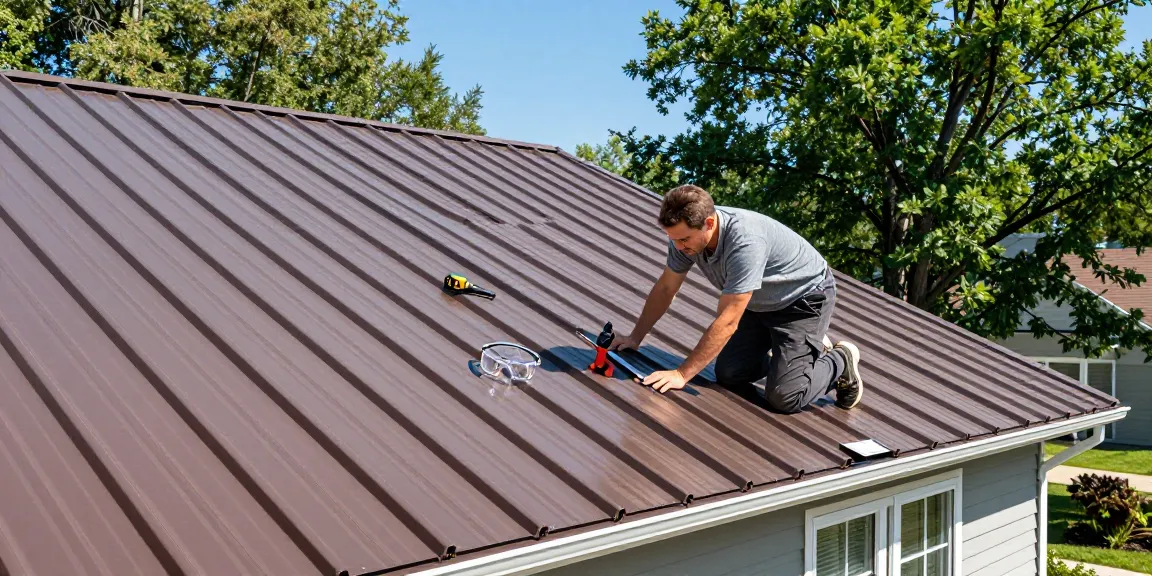
Before beginning the installation, ensure you have the right tools. Commonly used tools include:
- Measuring tape and chalk line
- Metal shears or snips
- Power drill and bits
- Safety goggles and gloves
- Ladder and scaffolding for safe access
Common Pre-Installation Challenges and Solutions
Addressing potential challenges before installation can save time and frustration. Common issues include:
- Weather Conditions: Always check the forecast before installation, as windy or rainy conditions can pose safety risks.
- Roof Structure Integrity: Ensure your existing roof structure can support the weight of the new metal roof. Consult a professional if you're unsure.
- Material Delivery: Verify that your selected materials are delivered on time to avoid project delays.
Hiring the Right Contractor for Metal Roof Installation
The success of your metal roof installation can significantly depend on the contractor you choose. When hiring, consider the following:
- Experience and Specialization: Look for contractors who specialize in metal roofing, as they will be more familiar with best practices and installation techniques.
- References and Reviews: Check the contractor's references and look for online reviews to gauge their reliability and quality of work.
- Licensing and Insurance: Always hire a licensed contractor with insurance to protect yourself from potential liabilities.
Step-by-Step Guide to Metal Roof Installation
Understanding the installation process can help homeowners anticipate what to expect and prepare accordingly. Here’s a detailed walkthrough of the installation process.
Detailed Walkthrough of the Installation Process
The installation process typically involves the following steps:
- Preparation of the Roof Surface: Remove any existing roofing material and ensure the roof deck is in good condition.
- Installation of Underlayment: Lay down a breathable underlayment to provide an extra layer of protection against moisture.
- Flashing and Trim Installation: Install flashing around chimneys, valleys, and edges to prevent water intrusion.
- Panel Installation: Begin installing the metal panels from the bottom up, ensuring that they interlock properly for water resistance.
- Final Touches: After all panels are installed, add any finishing touches, such as ridge caps and additional trim work.
Safety Protocols for Metal Roofing Projects
Ensuring safety during installation is crucial. Follow these safety protocols:
- Always wear safety harnesses when working at heights.
- Use non-slip footwear to prevent slips and falls.
- Ensure all tools are in good condition and stored safely when not in use.
- Have a first aid kit readily available on-site for emergencies.
Post-Installation Checks and Maintenance Tips
After installation, perform regular checks to ensure the integrity of your metal roof. Maintenance tips include:
- Inspect for loose panels or fasteners at least twice a year.
- Clean gutters and downspouts to prevent water damage.
- Remove debris and leaves from the roof surface to avoid corrosion.
Innovative Trends in Metal Roofing for 2026
As technology advances and design preferences evolve, several innovative trends are emerging in the metal roofing industry for 2026.
Emerging Technologies in Metal Roofing
Technological advancements have significantly influenced metal roofing. Some emerging technologies include:
- Cool Roof Coatings: These reflective coatings help reduce heat absorption, improving energy efficiency.
- Smart Metal Roofing: Roofs equipped with sensors can monitor conditions such as temperature and humidity, providing data for proactive maintenance.
Eco-Friendly Options in Metal Roofing Materials
As sustainability becomes increasingly important, eco-friendly options in materials are gaining popularity:
- Recycled Materials: Many manufacturers are now offering metal roofs made from up to 90% recycled content.
- Eco-Friendly Paints: Look for roofing materials coated with low-VOC paints and finishes that minimize environmental impact.
Design Trends to Consider for Residential Metal Roofs
Design trends are shifting as more homeowners embrace contemporary styles:
- Bold Colors: Homeowners are opting for vibrant colors to create a striking exterior look that stands out.
- Mixed Materials: Combining metal roofing with other materials, such as wood or asphalt, creates unique architectural features.
Frequently Asked Questions about Metal Roof Installation
Many homeowners have questions about metal roof installation. Here are some of the most common inquiries:
How Long Does a Metal Roof Last?
Metal roofs can last anywhere from 40 to 70 years, depending on the material and maintenance. With proper care, you can maximize their lifespan.
Can I Install a Metal Roof Over Existing Roofing?
Yes, in many cases, metal roofs can be installed over existing roofing materials. However, it’s essential to ensure the underlying structure is stable and in good condition.
What are the Costs Associated with Metal Roof Installation?
The cost of metal roof installation can vary widely based on material choice, labor, and roof size, typically ranging from $5 to $12 per square foot installed.
How Do I Maintain My Metal Roof?
Regular inspections, cleaning gutters, and addressing rust spots promptly are key maintenance steps to ensure your metal roof remains in great shape.
Are There Any Local Regulations for Metal Roof Installation?
Yes, it’s crucial to check local building codes and regulations regarding metal roofing, as these can vary significantly by region.