Understanding the Importance of Mold Remediation in Vancouver
In the beautiful city of Vancouver, where the coastal climate contributes to high humidity levels, mold issues are an unfortunate reality for many homeowners and businesses. Mold can not only damage property but also pose serious health risks. Therefore, understanding the importance of effective mold remediation is crucial for the well-being of residents. When exploring options, Mold Remediation Vancouver provides comprehensive insights into effective solutions tailored to the local environment.
What is Mold Remediation?
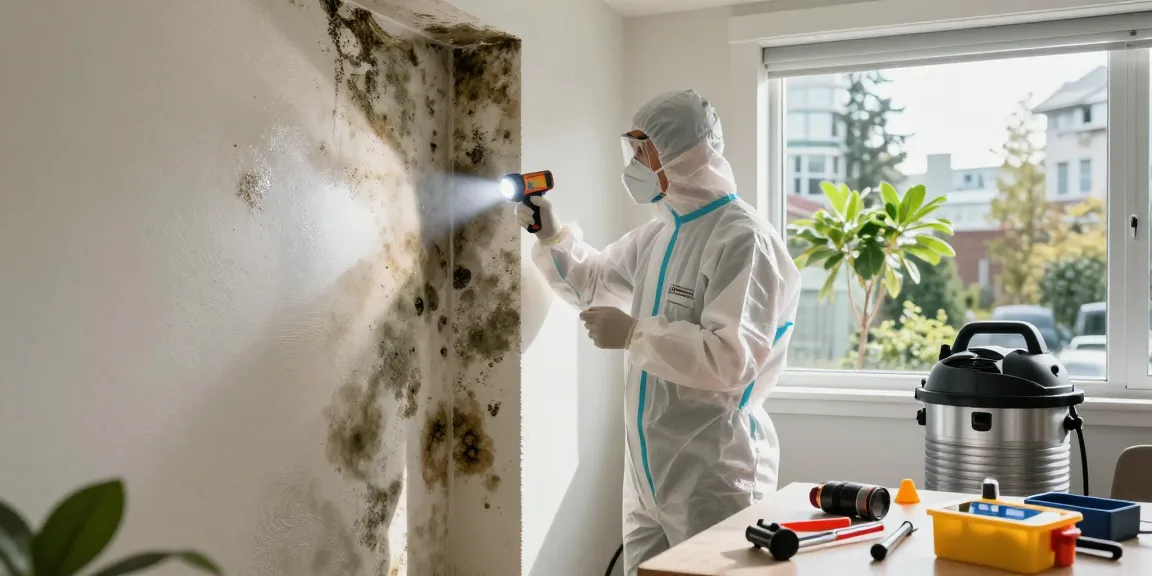
Mold remediation refers to the process of identifying, containing, and removing mold to restore a property to a safe environment. This often involves assessing moisture sources, using specialized equipment, and applying antimicrobial treatments. The goal is not only to remove visible mold but also to address underlying moisture problems that can lead to future mold growth.
Why Mold Remediation is Critical for Vancouver Residents
Given Vancouver's unique climate, where heavy rains and high humidity levels can lead to mold proliferation, remediation is critical. Properties that experience water damage or poor ventilation are particularly susceptible. Mold can quickly take hold in hidden areas, making professional remediation essential to ensure comprehensive cleanup and prevent recurrence.
Recognizing the Signs of Mold in Your Home
Identifying mold growth early can save you from significant health risks and property damage. Common indicators include:
- Visible mold stains or spots on walls, ceilings, and floors
- A musty odor that persists even when cleaning
- Signs of water damage, such as discoloration or warping of surfaces
- Increased allergy symptoms or respiratory issues among residents
The Mold Remediation Process Explained
The mold remediation process can vary in complexity based on the extent of the problem. However, it generally follows a set sequence to ensure thorough and effective removal.
Step-by-Step Guide to Effective Mold Remediation
- Assessment: Conduct a thorough inspection to identify the extent of mold growth and locate moisture sources.
- Containment: Seal off affected areas to prevent spores from spreading during the cleanup process.
- Filtration: Utilize advanced air filtration systems, such as HEPA filters, to capture airborne mold spores.
- Mold Removal: Safely remove contaminated materials and clean surfaces using industry-standard techniques.
- Prevention: Implement moisture control measures to prevent future growth.
Tools and Techniques Used in Professional Services
Professional mold remediation teams utilize a variety of tools and techniques to effectively eliminate mold, including:
- Moisture detection meters to find hidden moisture sources
- HEPA vacuums and air scrubbers to clean the air and surfaces
- Antimicrobial treatments to kill mold spores
- Protective gear to ensure the safety of both the workers and occupants
Common Mistakes to Avoid During Remediation
When tackling mold problems, some common mistakes can lead to ineffective remediation:
- Failing to locate and fix the moisture source before starting cleanup
- Neglecting the use of appropriate containment measures
- Trying to eliminate mold with ineffective DIY methods
Health Risks Associated with Mold Growth
Mold is more than just an eyesore; it can pose serious health risks to individuals exposed to it.
Understanding Mold-Related Health Issues
Mold exposure can lead to a variety of health problems, especially for sensitive individuals. Common health issues include:
- Respiratory problems such as asthma and allergies
- Skin irritations and other allergic reactions
- More severe reactions in immunocompromised individuals, leading to infections
How Mold Affects Indoor Air Quality
Mold spores can become airborne, significantly degrading indoor air quality. This contamination contributes to various health issues and discomfort for residents. Maintaining a mold-free environment requires vigilance and prompt action when mold is detected.
Preventative Measures for Healthier Living Spaces
To keep living spaces safer, homeowners should consider adopting preventative measures, including:
- Regular inspections for signs of moisture or mold
- Ensuring proper ventilation in high-humidity areas like bathrooms and kitchens
- Using dehumidifiers during damp months to control indoor moisture levels
Cost Factors for Mold Remediation in Vancouver
The cost of mold remediation can vary significantly based on various factors, including the scope of the problem, the materials involved, and the property's location.
What Influences the Cost of Mold Remediation?
Key cost factors include:
- The size of the affected area
- Severity of the mold growth and types of materials affected
- Accessibility of the affected areas
- Labor costs associated with professional services
Average Costs for Different Types of Properties
While costs can vary from job to job, here are average estimates for common property types:
- Residential homes: $1,500 - $3,000
- Condos and strata units: $1,000 - $2,500
- Commercial properties: $2,000 - $5,000+
Understanding Insurance Coverage for Mold Remediation
Homeowners should review their insurance policies, as coverage for mold remediation can vary significantly. It's advisable to confirm what is covered and under what conditions to avoid unexpected expenses during remediation.
Frequently Asked Questions about Mold Remediation
As mold problems often raise many questions, addressing some common inquiries can help homeowners feel more informed.
How long does the mold remediation process take?
The duration of the mold remediation process depends on the extent of the contamination. Typically, the process can take anywhere from a few hours to several days.
Can I stay in my home during mold remediation?
In many cases, it is recommended to vacate the premises, especially if extensive mold growth is present. A professional will evaluate your situation and provide guidance.
What should I do if I find mold?
If you find mold, contact a professional immediately to assess the situation and begin remediation. Delaying action can lead to more severe problems.
Is DIY mold removal effective?
While minor surface mold can sometimes be removed with DIY methods, it’s often not effective for larger infestations. Professional assistance is usually necessary to ensure complete remediation.
How can I prevent mold from returning after remediation?
To prevent mold recurrence, ensure proper moisture control, regular cleaning, and repair of any leaks or water damage promptly.